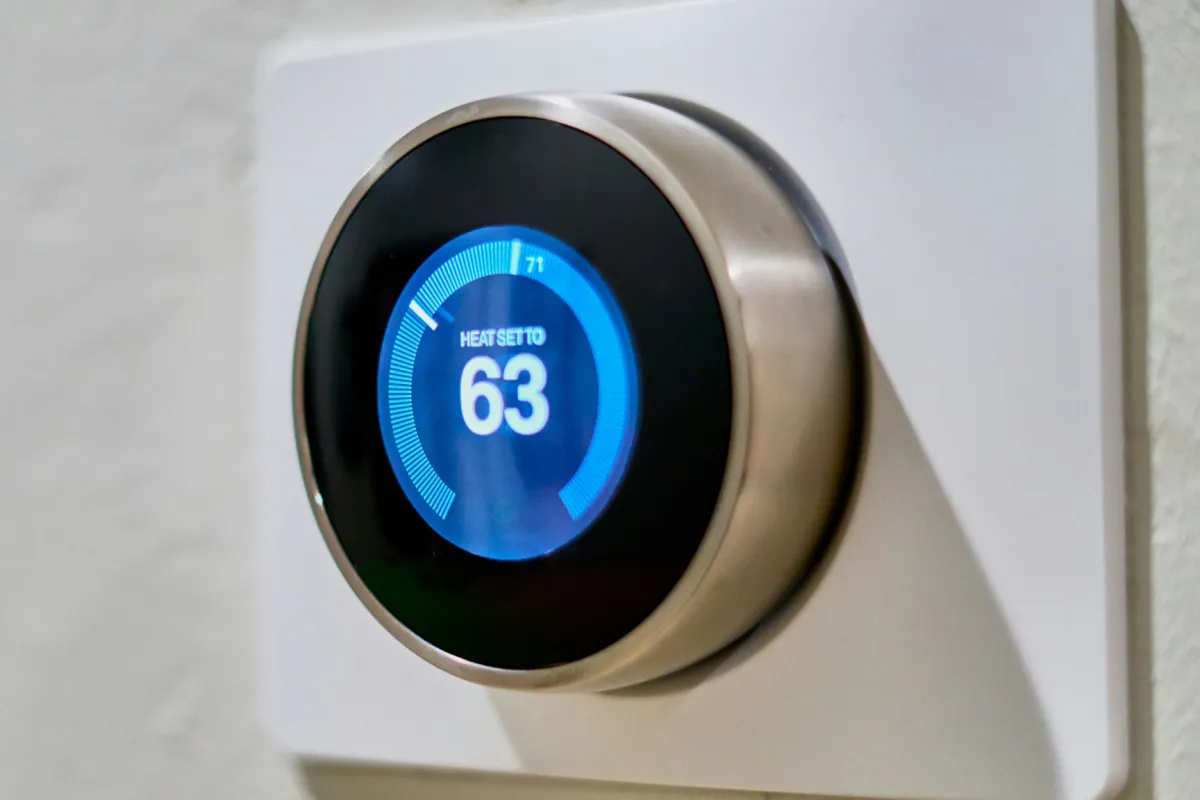
Be A Thermostat, Not Thermometer
It's often said that raising teens can feel like riding an emotional roller coaster. We find ourselves soaring high when they're up and plummeting when they're down.
Consider this: your teenager just got a parking ticket and their friends ditched them at lunch, leaving them in a bad mood. Before you know it, you're feeling the weight of their disappointment and you're in a bad mood.
The next day, they pass a test and make the basketball team, and their joy becomes your own.
It's a natural reaction to join the emotional state of our family members, but how might this be affecting our happiness and ability to parent?
Instead of being a thermometer—reacting to the "weather patterns and temperature" of our teens—what if we became a thermostat?
A thermostat holds steady, allowing the environment around it to adapt. By choosing to be a thermostat, we set the tone for our household, regardless of external circumstances.
Our teens' emotions are going to be somewhat volatile, but ours don't have to be. It's actually so helpful for them to know they can count on us staying grounded and predictable through their storms.
When our teen has a challenging day, we can still have a good one. We can empathize without letting our emotions unravel.
By maintaining our emotional equilibrium, we support our teens while modeling resilience and stability.
So, the next time emotions are running high at home, decide whether you'll gauge the temperature and match it (thermometer) or intentionally decide the tone you want to set in your home (thermostat).
The choice is yours, and the impact can be profound.
